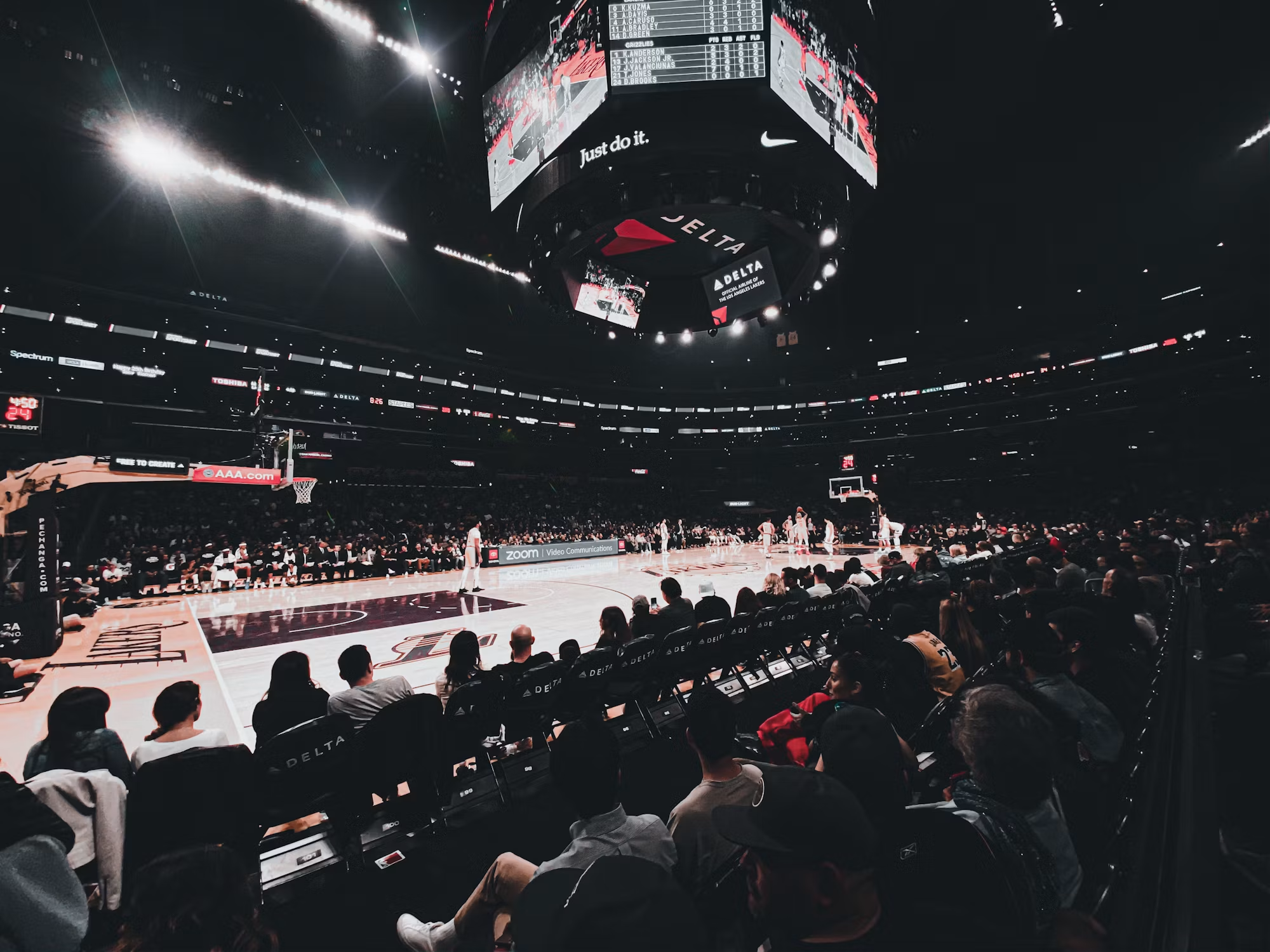
As the landscape of entertainment continues to evolve, the movie theater experience is undergoing a transformative shift. From advancements in technology to changing audience preferences, the future of cinema is being redefined. This article explores the latest trends and innovations in movie theaters, highlighting how they enhance the film-watching experience and cater to the diverse needs of modern audiences.
One of the most significant trends in contemporary cinema is the rise of premium formats that prioritize comfort and immersion. Many theaters are embracing luxury seating options, including recliners and sofas, allowing moviegoers to enjoy films in ultimate comfort. This shift towards a more relaxed viewing environment acknowledges that audiences are seeking not just a movie, but an experience that is enjoyable from start to finish. As patrons settle into plush seats, complete with adjustable footrests and personal space, they can fully immerse themselves in the film without distractions.
Alongside the comfort revolution, the integration of advanced technology is reshaping the cinematic experience. Many theaters are now equipped with high-definition screens, cutting-edge sound systems, and enhanced projection techniques, such as laser projection. These technological advancements deliver stunning visuals and crystal-clear audio, allowing viewers to experience films as they were meant to be seen and heard. The clarity of IMAX and Dolby Cinema formats, for example, elevates the viewing experience, making it a preferred choice for audiences eager to engage with blockbuster films.
Moreover, interactive elements are beginning to make their way into movie theaters, creating a more engaging experience for viewers. Some cinemas have introduced features that allow audiences to influence certain aspects of the film, such as choosing character paths or altering plotlines. This level of interactivity fosters a deeper connection between the viewer and the film, transforming traditional movie-watching into a participatory adventure. As technology continues to advance, we can expect more innovative ways for audiences to engage with films, creating unique experiences that are tailored to their preferences.
The resurgence of nostalgia has also played a significant role in shaping the future of cinema. Many theaters are embracing retro themes, hosting special screenings of classic films in original formats, or transforming their venues into immersive environments that replicate the charm of bygone eras. Drive-in theaters, once a staple of American culture, are experiencing a renaissance as families and friends seek outdoor entertainment options that allow for socializing and enjoying films in a relaxed setting. The combination of nostalgia and modern amenities creates a unique experience that appeals to audiences of all ages.
Another important trend is the focus on inclusivity and accessibility in cinema. Many theaters are making strides to ensure that all audiences can enjoy films comfortably. This includes providing assistive listening devices, closed captioning options, and sensory-friendly screenings designed for individuals with sensory sensitivities. By prioritizing inclusivity, theaters are fostering a welcoming environment for everyone, allowing more people to participate in the shared joy of cinema.
Sustainability is another crucial consideration as the film industry looks to the future. With a growing awareness of environmental issues, many theaters are implementing eco-friendly practices. This includes reducing waste by offering reusable containers for snacks, utilizing energy-efficient lighting and projection systems, and incorporating sustainable materials in theater renovations. As audiences become increasingly environmentally conscious, the demand for theaters that prioritize sustainability is likely to grow, creating a win-win scenario for both cinema operators and moviegoers.
The digital revolution has also impacted how audiences consume films, leading to the rise of streaming platforms. While this has prompted some concerns about the future of traditional theaters, it has also created opportunities for collaboration. Many cinemas are beginning to embrace hybrid models that combine theatrical releases with streaming options, allowing audiences to enjoy films in the way that best suits their lifestyles. This adaptability is essential as cinemas navigate the changing entertainment landscape, ensuring that they remain relevant and accessible to a diverse audience.
Furthermore, community engagement has become a focal point for many theaters. Cinemas are increasingly recognizing the importance of connecting with their local communities by hosting events that resonate with their audiences. From film festivals that showcase local filmmakers to themed nights that celebrate specific genres or cultures, theaters are creating opportunities for audiences to come together and share in the love of film. This sense of community fosters loyalty among patrons and enhances the overall movie-watching experience.
As we look toward the future of cinema, the combination of comfort, technology, nostalgia, inclusivity, sustainability, and community engagement will shape the way we experience films. The evolution of movie theaters reflects a broader cultural shift in how we engage with storytelling and entertainment. As theaters continue to innovate and adapt to audience preferences, they will play a vital role in keeping the magic of cinema alive.
In conclusion, the future of movie theaters is bright, driven by a commitment to enhancing the cinematic experience. As audiences seek new ways to enjoy films, theaters are rising to the challenge by embracing trends and innovations that prioritize comfort, engagement, and inclusivity. From luxurious seating and advanced technology to community-focused events and sustainability initiatives, the evolution of cinema is a testament to the enduring power of storytelling. As we celebrate these changes, we look forward to a vibrant and exciting future for movie theaters, where the joy of film continues to bring people together and inspire imaginations.